Foundation problems rarely announce themselves all at once — they show up as small, easy-to-dismiss clues that quietly get worse until the repair bill is serious. For Staten Island homeowners, catching them early is everything: the borough’s older housing stock, mixed and clay-heavy soils, freeze-thaw winters, and history of storm flooding all put real stress on foundations over time. Knowing what to look for lets you act while a fix is still small. Here are the ten warning signs worth watching, and what each one usually means.
Why Foundation Problems Are Common in Staten Island
Before the signs, it helps to understand the why. Staten Island homes sit on a patchwork of soil types, and clay-rich ground swells when wet and shrinks when dry, shifting whatever sits on top of it. Add decades of freeze-thaw cycles, heavy rain, storm surge and flooding in low-lying areas, and the many homes built well before modern drainage standards, and you have a recipe for movement. This is why foundation problems tend to develop gradually here rather than overnight — and why regular attention pays off. A licensed contractor who knows local conditions can tell the difference between normal settling and something that needs work.
The 10 Warning Signs of Foundation Problems to Watch For
Any one of these can appear on its own, but when several show up together, foundation problems are the likely cause. Here’s what to look for, inside and out.
1. Stair-Step Cracks in Exterior Brick or Block
Cracks that climb diagonally through the mortar joints of brick or block — following a stair-step pattern — are one of the clearest exterior signs of foundation movement. Hairline cracks are often cosmetic, but stair-step, horizontal, or widening cracks suggest the foundation is shifting. Because this is masonry, proper brick and blockwork repair should follow the underlying fix, not replace it.
2. Interior Wall and Ceiling Cracks
Inside, look for cracks radiating from the corners of doors and windows, or running along where walls meet ceilings. Fine cracks happen in every house, but cracks wider than about a quarter inch, ones that keep coming back after patching, or diagonal cracks near openings point toward structural movement rather than ordinary settling.
3. Doors and Windows That Stick or Won’t Latch
When a foundation shifts, it racks the frames built on top of it, throwing doors and windows out of square. If doors suddenly stick, drag, or won’t latch, or windows become hard to open, and it isn’t just humidity, the opening itself may no longer be square — a common symptom of foundation problems.
4. Uneven, Sloping, or Sagging Floors
Floors that slope, bounce, or feel uneven underfoot often trace back to the foundation or the framing it supports. A ball that rolls on its own or a noticeable dip in one area is worth investigating. The fix may involve the foundation, the framing and structural carpentry beneath the floor, or both.
5. Gaps Around Window and Door Frames
If you can see daylight or new gaps opening up between the frame and the wall, or caulk lines that keep splitting, the wall is moving relative to the opening. These gaps also let in air and water, so they cost you comfort and energy on top of signaling a deeper issue.
6. Visible Cracks in the Foundation Itself
Head to the basement or crawl space and inspect the foundation walls directly. Thin vertical cracks are common and often minor, but horizontal cracks, wide cracks, or cracks that leak water are more serious — horizontal cracking in particular can indicate soil pressure pushing against the wall. This is among the foundation problems you should never ignore.
7. Bowing or Leaning Basement Walls
A basement wall that bows inward, leans, or bulges is under heavy pressure from the soil and water outside it. This is one of the more urgent signs on the list, because a bowing wall can fail. If a wall no longer looks straight, treat it as a priority and get it assessed quickly.
8. Water in the Basement or Crawl Space
Persistent moisture, pooling water, efflorescence (white mineral residue), or a musty smell all point to water finding its way through the foundation — and water is both a cause and an accelerator of foundation problems. Poor drainage and grading are frequent culprits in Staten Island, and addressing them is often part of the solution, especially before finishing a basement.
9. Separation and Gaps Between Surfaces
Watch for cabinets or counters pulling away from the wall, crown molding separating from the ceiling, or gaps opening where two surfaces used to meet. When the structure moves, the finishes attached to it move too — and drywall or trim that keeps separating after repair is telling you the movement hasn’t stopped.
10. A Cracking, Tilting, or Separating Chimney
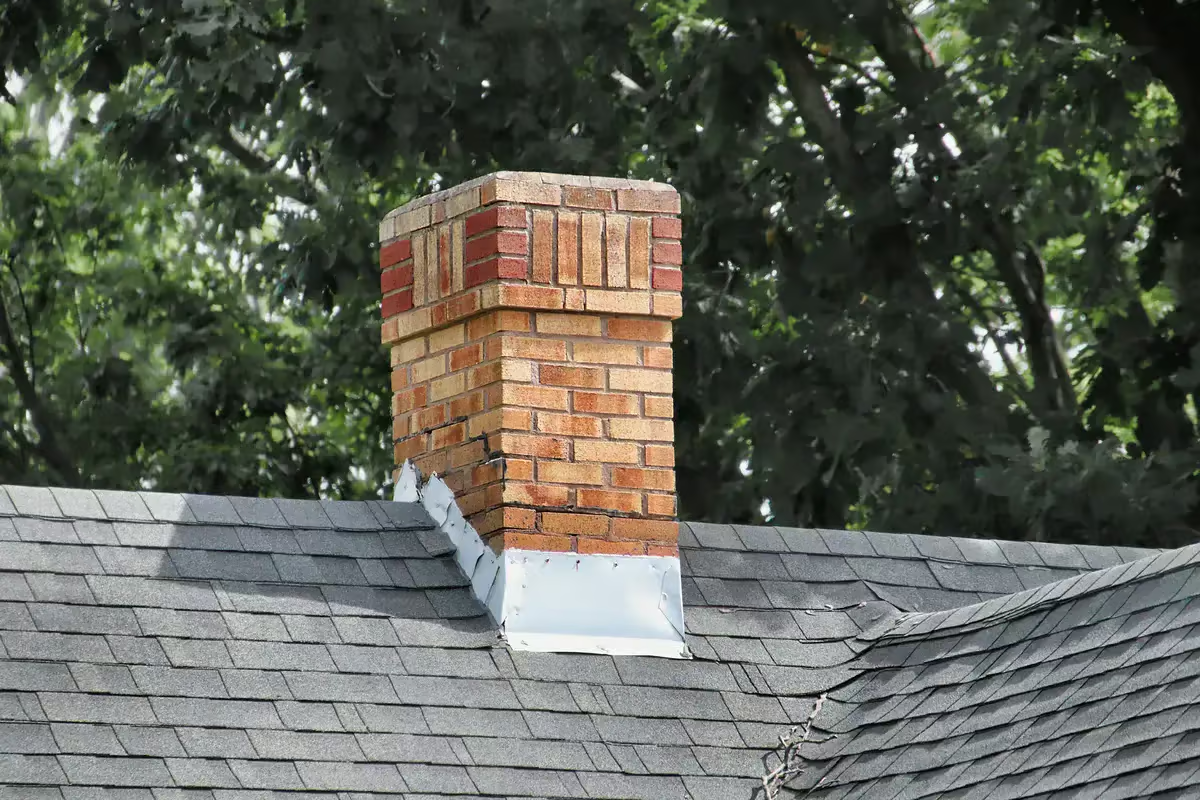
A chimney sits on its own footing and often shows foundation trouble first. If it’s leaning, pulling away from the house, or cracking at the base, the ground beneath it is likely shifting. Because a compromised chimney is also a safety issue, have both the structure and the chimney itself evaluated.
What to Do If You Spot These Signs
One minor crack is usually nothing to panic over — but several of these signs together, or any of the urgent ones (bowing walls, horizontal foundation cracks, a tilting chimney), warrant a professional assessment. The worst thing you can do is cosmetically patch the symptom while the underlying movement continues, because the crack will simply return, wider than before.
A qualified contractor will identify the root cause, distinguish normal settling from active foundation problems, and address drainage, structure, and finishes in the right order. Handling it early is almost always cheaper than waiting.
Protect Your Home With Albatros Construction
Albatros Construction has spent more than 24 years building and restoring homes across Staten Island, and our licensed team handles the exterior and structural work that foundation issues demand — along with all the permits and inspections that come with it. We’ll assess honestly, explain what we find, and fix the cause, not just the crack.
If you’ve noticed any of these warning signs, don’t wait for them to get worse. Contact us or call +1 718-688-1919 for a free, no-obligation assessment of your home.
Albatros Construction — a fully licensed and insured general contractor serving Staten Island and the surrounding areas with new construction, renovations, additions, masonry, roofing, and structural repairs.